- Customer Care +91 8800900271
- About Us
- Contact Us
- Sell Your Brand
- International Orders



Use Your Social Media Account
GoogleHow Does Homeopathy Medicine Help Manage Cracked Heels Naturally?
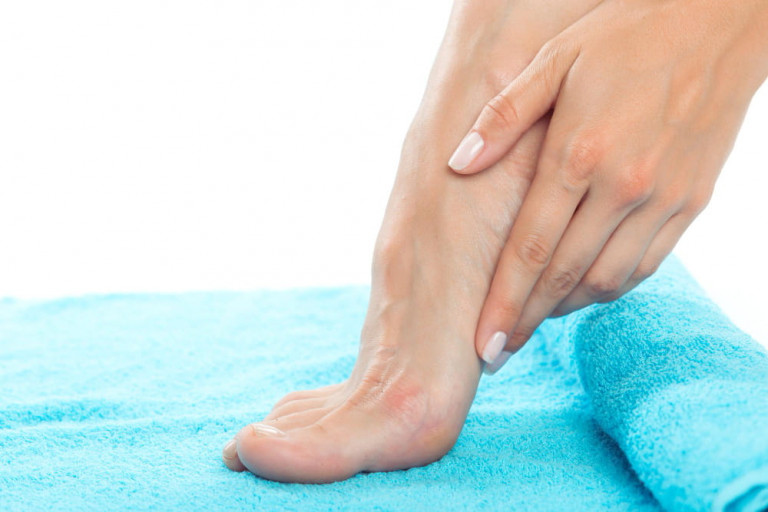
- By: Dr Admin
- Category: Homoeopathy
- Nov 14, 2026
You don’t think much about your heels until they start to hurt. Then suddenly every step in the kitchen is a reminder, and your favourite sandals are off the table. For some people it’s just rough, flaky skin. For others, the cracks go deep enough to bleed. Either way, a lot of people end up searching for a homeopathy medicine for cracked heels once moisturiser alone stops working. They want to know what’s available and whether they can sort this out at home. Fair enough. But it helps to know what’s going on under your foot first.
What Happens When Heel Skin Starts Splitting?
Your heels take a lot of pressure all day. The skin there is naturally thick to protect your foot, but it still needs moisture to stay flexible.
When it gets too dry, it stops stretching properly. A layer of hard skin can build up around the edge of the heel, and every step pushes that thickened skin outward. Eventually it gives way, and small splits appear. These are called heel fissures, and they can stay shallow or reach into deeper layers of skin.
You can usually tell roughly where you are on the scale:
- Early dryness: the heel feels rough, and the skin looks dull or flaky.
- Hardened skin: thick, yellowish or whitish skin forms around the edges.
- Visible cracks: fine lines or deeper splits show up and may hurt when you walk.
- Deep fissures: the cracks reach deeper layers and cause pain or bleeding.
This matters because mild dryness often responds to regular moisturising, while deep or infected cracks need a doctor.
Everyday Habits That Put Pressure on Your Heels
Cracked heels don’t always mean you’ve neglected your feet. Plenty of ordinary things can cause them.
If you’re on your feet for long hours, your heels take repeated pressure, which can thicken the skin and make it more likely to split. Footwear plays a part too. Loose slippers and open-back sandals let the heel’s fatty pad spread sideways as you walk, which strains the skin around it. Harsh soaps and very hot water strip away natural oils, and age makes things worse, since skin gets thinner and loses moisture more easily.
Health conditions can also be involved. Diabetes, eczema, psoriasis, and thyroid disorders can all contribute to dry skin or foot problems. If your cracks keep coming back, especially alongside one of these conditions, get them looked at.
Can Homeopathy Medicine Help with Cracked Heels?
Homeopathy is a complementary system of medicine that uses highly diluted substances. Some people try homeopathic creams and other preparations for recurring skin concerns, dry or cracked heels included.
But there’s a real difference between a product being sold for a condition and there being scientific evidence that it works. Reliable clinical evidence hasn’t shown that homeopathy heals cracked heels. It isn’t a proven treatment, and it shouldn’t replace proper foot care.
If you’re thinking about trying a homeopathic product, read its ingredients, directions and precautions first. A healthcare professional can also help work out whether your cracks are linked to a skin condition or something else.
Homeopathic Products for Cracked Heel Care at eMedicineHub
People exploring homeopathic foot-care products can browse the cracked heel collection at eMedicineHub. Some of the products listed include:
- Lords Pedi Clean Cream (25 gm): A topical cream listed in the cracked heel product collection.
- Allen Derma Plus Cream (25 gm): A skin-care preparation available on the website.
- Allen Crack Care Cream (25 gm): A cream listed specifically in the cracked heel range.
- Bakson's Sunny Herbals Foot Cream (100 gm): A foot-care cream available in the collection.
- Wheezal Charmskin Cream (25 gm): A topical preparation listed among the available products.
- Hapdco Nokrack Cream (25 gm): Another cream included in the product range.
These listings provide options to explore, but they should not be interpreted as evidence that the products can heal heel fissures. Check the individual product pages for current availability, ingredients, and usage instructions. Consult a healthcare professional before using a product on deep or broken skin.
What Can You Do to Protect Your Heels Every Day?
Foot care doesn’t need to be complicated. A few steady habits can cut down dryness and stop small cracks from getting worse.
Use a thick cream, especially after bathing. Urea-based products can soften thickened skin, and petroleum jelly helps lock moisture in.
Lukewarm water and a mild cleanser are enough. Avoid prolonged soaking, as it can worsen dryness and affect the skin barrier.
If it’s only mildly thickened, a foot file can help. Never use blades, scissors, or other sharp tools, and don’t file directly over an open crack.
Look for a firm heel counter and a comfortable fit. If open-back footwear makes your cracks worse, skip it for a while.
Watch for new splits, redness, swelling, or changes in the skin. If you have diabetes, check your feet every day and get advice about even minor wounds.
When Should You Stop Home Care and Seek Medical Advice?
A little dryness is usually fine to manage with moisturiser. Deep fissures are another story. If a crack bleeds, keeps getting more painful, or looks infected, book a consultation.
Watch for redness, warmth, swelling, pus, or any unusual discharge, since these can point to infection. If you have diabetes, poor circulation, or reduced feeling in your feet, don’t try to manage open heel wounds on your own. A doctor or dermatologist can examine the area and check whether an underlying skin or health condition needs treatment.
Explore Cracked Heel Care Products at eMedicineHub
If you’re looking for a homeopathy medicine for cracked heels, eMedicineHub has a range from several brands. Some of the products are listed specifically for cracked heel care. You can browse the collection, read the details on each product page, and take your time before you order.
When you choose, look at what’s inside, what the product is meant for, and any warnings on the label. The name on the pack tells you very little. And if your heels keep cracking, try to find out why. That matters just as much as the cream you pick.
Frequently Asked Questions (FAQs)
What is the difference between dry heels and cracked heels?
Dry heels usually feel rough or flaky, while cracked heels have visible splits in the skin. These splits may remain shallow or become deep enough to cause pain and bleeding.
Which Homeopathy Medicine for Cracked Heels should I choose?
eMedicineHub lists several creams and foot-care preparations in its cracked heel collection. However, there is no reliable clinical evidence proving that homeopathy heals heel fissures. Check product information and consult a qualified healthcare professional before use.
Can cracked heels become infected?
Yes. Deep cracks can allow bacteria to enter the skin. Redness, swelling, warmth, increasing pain, or discharge may indicate infection and require medical attention.
How often should I moisturise cracked heels?
Apply a suitable moisturiser at least twice daily, especially after bathing and before bed. Deep or open cracks may need a clinician's assessment rather than moisturising alone.
Does walking barefoot make cracked heels worse?
It can. Walking barefoot on hard surfaces may increase pressure on the heels. Supportive footwear can reduce friction and provide better protection.
Are cracked heels linked to vitamin deficiency?
Not usually on their own. Certain nutritional deficiencies may affect skin health, but cracked heels have several possible causes. A healthcare professional can assess persistent symptoms and recommend tests if needed.
Can people with diabetes use regular cracked heel creams?
People with diabetes should be cautious about applying products to open cracks or wounds. Reduced sensation and poor circulation can make foot injuries more serious. They should seek medical advice before treating cracked heels themselves.

 Click here to Pay

Please send the screenshot at 880 090 0271

eMedicineHub Assistant
Always available • 24 / 7